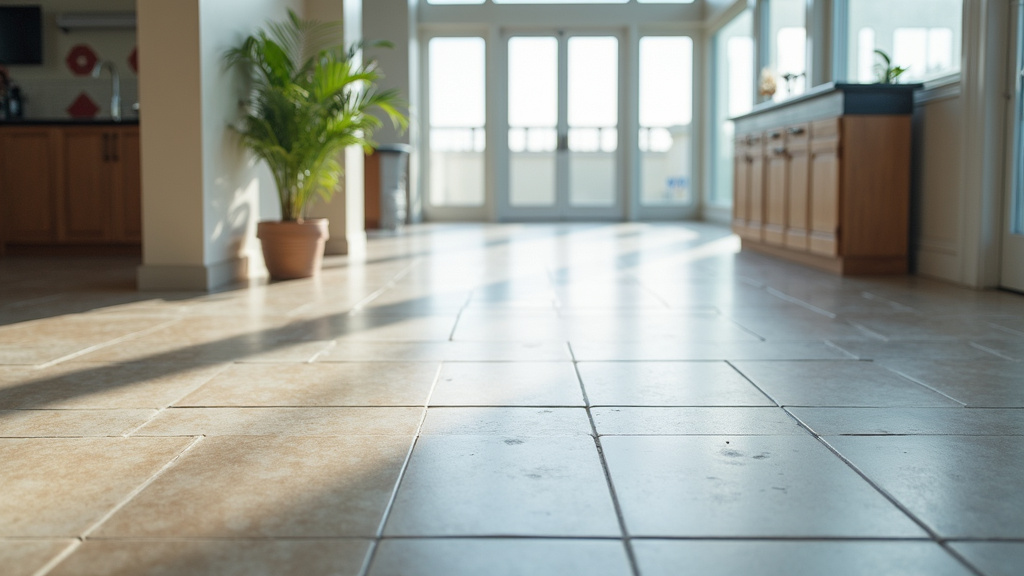
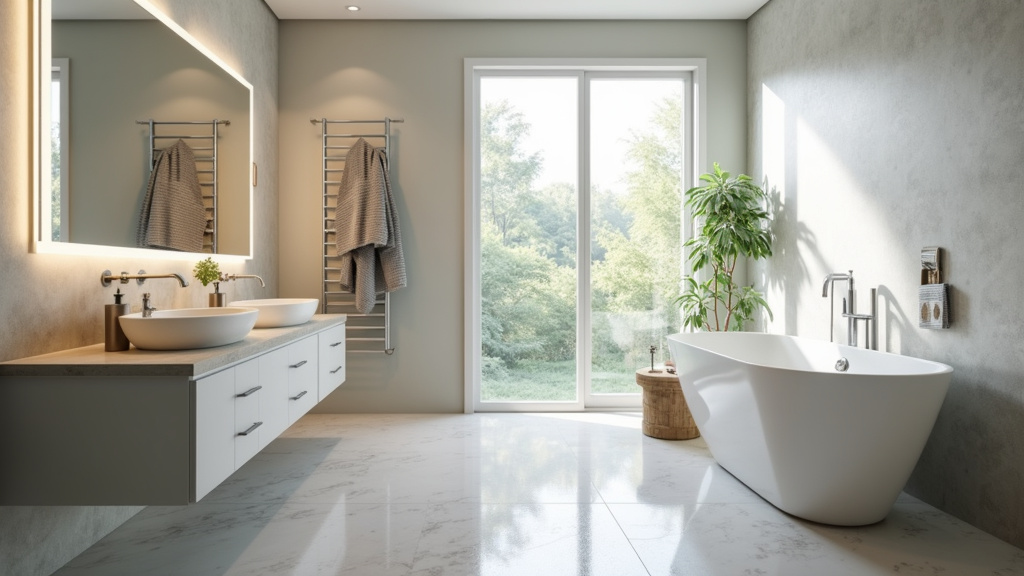
Remodel: Transform Your Space, Elevate Your Lifestyle
What is Remodel?
Remodel is a transformative process that renews and upgrades existing structures, whether it's your kitchen, bathroom, or entire home. It involves careful planning, design, and execution to create a space that better reflects your style, needs, and lifestyle while increasing property value.
Key Benefits of Remodeling:
- Enhanced Aesthetics: Elevate the visual appeal of your living spaces with updated design elements, finishes, and layouts.
- Increased Property Value: Well-planned remodels can significantly boost the market value of your home, making it more attractive to potential buyers.
- Improved Functionality: Tailor your space to better suit your needs by reconfiguring rooms, installing new appliances, or adding smart home technology.
- Longevity and Durability: Replace outdated materials with high-quality alternatives that are built to last, ensuring a longer lifespan for your remodel.
- Energy Efficiency: Incorporate energy-saving features like improved insulation, efficient appliances, and lighting systems, lowering utility bills.
Cost Comparisons: Making Informed Decisions
Remodels come with varying price tags depending on factors like project scope, location, material choices, and contractor fees. Here's a breakdown to guide your budgeting:
National Average Remodel Costs:
- Minor Kitchen Remodel: $25,000 - $40,000
- Major Kitchen Remodel: $50,000 - $100,000+
- Bathroom Remodel (Average): $15,000 - $30,000
- Basement Finishing: $30,000 - $60,000+
- Whole House Remodel: $100,000 - $500,000+ (or more)
Cost Breakdowns:
- Design and Planning (5-10%): Architectural fees, design software, and initial consultations.
- Materials (30-45%): Everything from fixtures and appliances to flooring, cabinets, and structural materials.
- Labor (40-50%): Contractor wages, subcontractors, and project management.
- Permits and Inspections (5-10%): Building permits, electrical/plumbing inspections, and other regulatory fees.
Tips for Cost Management:
- Set a Realistic Budget: Define your must-haves vs. nice-to-haves to avoid overspending.
- Get Multiple Quotes: Compare bids from different contractors to ensure competitive pricing.
- Choose Smart Materials: Opt for durable, long-lasting materials that offer the best value.
- DIY Elements: Take on small tasks yourself (e.g., painting, tiling) to save on labor costs.
- Prioritize Efficiency: Incorporate energy-efficient features to reduce long-term expenses.
Feature Matrix: What to Expect From Your Remodel
Choosing the right remodel features depends on personal preferences, lifestyle needs, and budget constraints. Here's a comparison of popular options:
| Feature |
Description |
Pros |
Cons |
Average Cost |
| New Countertops |
Replace outdated countertops with durable materials like granite, quartz, or laminate. |
Increases aesthetics and property value; offers various styles and price points. |
Can be expensive; requires sealing and maintenance. |
$50 - $200 per square foot |
| Cabinet Upgrades |
Reface or replace cabinets for a fresh look and better storage. |
Enhances functionality and flow; customizable options available. |
Labor intensive; may require new hardware and countertops. |
$5,000 - $20,000 (depending on scope) |
| Appliance Updates |
Install energy-efficient appliances like smart refrigerators, ovens, or dishwashers. |
Saves money on utilities; improves convenience and food preservation. |
Initial cost can be high; requires professional installation. |
$500 - $2,000 per appliance |
| Smart Home Technology |
Integrate devices for voice control, automation, and security (e.g., smart thermostats, lighting, cameras). |
Increased convenience and comfort; enhances home security. |
Installation complexity varies; initial setup required. |
$1,000 - $5,000 (depending on system) |
| New Flooring |
Replace old flooring with options like hardwood, tile, carpet, or luxury vinyl. |
Transforms the look and feel of a room; improves comfort and durability. |
Labor intensive; requires preparation and cleanup. |
$2 - $10 per square foot (or more for premium materials) |
| Window Replacement |
Install energy-efficient windows to improve insulation and reduce utility bills. |
Long-term savings on energy costs; increases home comfort. |
Depends on window type, size, and installation complexity. |
$300 - $1,500 per window |
Performance Metrics: Measuring Remodel Success
Evaluating your remodel's success extends beyond satisfaction. Consider these key performance metrics:
-
Return on Investment (ROI): The percentage of your initial investment recovered through increased property value or savings. A common benchmark is a ROI of 50-100%.
-
Cost Overrun: The difference between the original budget and the final cost of the project. Aim to keep overruns within 5-10% of the budgeted amount.
-
Completion Time: The length of time it takes to complete the project, with many remodels taking anywhere from a few weeks to several months depending on complexity.
-
Client Satisfaction: Gauging client happiness through post-remodel surveys and feedback is crucial for measuring success and improving future projects.
User Demographics: Who's Remodeling?
According to recent market research, remodel activity shows distinct trends across different demographics:
- Millennials (25-40): This generation is driving a surge in kitchen and bathroom remodels, often focusing on open floor plans, smart home technology, and sustainable materials.
- Baby Boomers (55+): Many boomers are remodeling to age in place, making accessibility features and universal design elements popular choices.
- Homeowners with Higher Incomes: Higher-income households are more likely to invest in extensive remodels, including whole-house renovations and luxury finishes.
Step-by-Step Implementation Guides: Making Your Remodel Happen
1. Planning Phase:
-
Define Your Goals: Start by clearly defining what you want to achieve with your remodel. Is it increasing space, updating aesthetics, or improving functionality?
-
Research and Budgeting: Gather inspiration from design magazines, websites, and social media. Create a detailed budget outlining expenses for materials, labor, permits, and unexpected costs.
-
Hire a Licensed Contractor: Check online reviews, request bids from multiple contractors, and verify their licenses and insurance before hiring.
2. Design and Engineering:
- Create Floor Plans: Work with an architect or designer to create detailed floor plans that reflect your vision.
- Choose Materials and Finishes: Select materials and finishes that align with your style, budget, and durability needs.
- Obtain Permits: Submit your building plans to local authorities for the necessary permits before starting construction.
3. Execution Phase:
-
Demolition: Your contractor will remove any existing structures or fixtures as per the plan.
-
Construction: The construction phase involves framing, electrical work, plumbing, and drywall installation. Regular communication with your contractor is essential to address any concerns or changes.
-
Inspections: During and after construction, inspections ensure that the work complies with building codes and regulations.
4. Final Touches:
- Finishing Work: This includes installing flooring, countertops, appliances, fixtures, and trim work.
- Testing and Cleaning: Ensure all systems (plumbing, electrical) are functioning properly and schedule a deep cleaning before moving back in.
5. Post-Remodel Care:
- Warranties: Review warranty information for your new materials and finishes to understand what's covered.
- Maintenance: Regular upkeep is key to preserving the beauty and functionality of your remodel. Follow manufacturer guidelines for maintenance requirements.
Real-World Applications: Case Studies
Case Study 1: Modern Kitchen Makeover
A young professional couple wanted to update their outdated kitchen and better accommodate their entertaining needs. They worked with a designer to create an open floor plan featuring new cabinets, quartz countertops, stainless steel appliances, and a larger island. The project involved removing walls, installing new plumbing and electrical work, and replacing flooring.
Results:
- Increased Property Value: The kitchen remodel boosted the home's estimated value by $50,000.
- Enhanced Functionality: The open layout made it easier to prepare meals and entertain guests.
- Improved Aesthetics: The modern design and high-end finishes created a more inviting space.
Case Study 2: Accessible Bathroom Remodel for Seniors
An older couple sought to modify their bathroom to accommodate mobility challenges associated with aging. They opted for a universal design approach, including a walk-in shower with grab bars, wider doors, and lower countertops. The remodel also involved installing safer lighting and updating the flooring for better traction.
Results:
- Enhanced Safety and Independence: The bathroom modifications enabled the couple to safely navigate their space and maintain their independence.
- Increased Comfort: The new shower and grab bars made bathing more comfortable and less risky.
- Improved Aesthetics: The updated bathroom reflected the couple's modern tastes while catering to their needs.
Future Trends in Remodeling: What's Next?
The remodeling industry is constantly evolving, driven by technological advancements, shifting design trends, and changing consumer preferences. Some key future trends include:
-
Smart Home Integration: Expect further seamless integration of smart devices throughout homes, offering voice control, automation, and enhanced security.
-
Sustainability Focus: Remodelers are increasingly prioritizing eco-friendly materials, energy efficiency, and water conservation features.
-
Personalization: Customized design elements that reflect individual style and lifestyle will continue to be a hallmark of successful remodels.
-
Technologically Enhanced Design: Virtual reality (VR) and augmented reality (AR) technologies are enabling clients to visualize their space in new ways and participate more actively in the design process.
September 12, 2026
Authority
Remodelling involves transforming an existing space by updating its design and features. It could mean changing the layout, installing new fixtures, adding colours or textures, and even incorporating smart technology…
Read more →
September 12, 2026
Authority
Remodel means giving something old a new look or function. It involves making changes to improve or update a space, whether it's a room in your house or an entire…
Read more →
September 12, 2026
Authority
Remodeling involves changing the look and feel of a space by updating walls, floors, and fixtures. It can range from small changes, like repainting or replacing hardware, to major renovations…
Read more →
September 12, 2026
Authority
Remodeling involves updating or changing the structure and design of a space to improve its functionality and aesthetics. It could mean reconfiguring rooms, installing new fixtures, or even completely transforming…
Read more →
September 12, 2026
Authority
Remodel ( find out more ) ( explore this topic ) means giving something old a new look and function. This can involve changing the layout, updating materials, or adding…
Read more →
September 12, 2026
Authority
Remodeling involves transforming a space by changing its structure, aesthetics, and functionality. It could mean expanding or rearranging rooms, updating fixtures, or installing new features like lighting or appliances. A…
Read more →
September 12, 2026
Authority
Remodel means giving something old a new look and function. It involves making changes to improve appearance, layout, or technology while keeping the original structure. Whether it's a kitchen, bathroom…
Read more →
September 12, 2026
Authority
Remodel means transforming something old into something new and improved. It involves assessing what needs changing, making creative adjustments, and often adding modern features for better functionality or aesthetics. A…
Read more →