
Key Takeaways
- Start with a clear vision and goal for your remodel to ensure a successful outcome.
- Budget wisely and consider unexpected costs to avoid financial surprises.
- Prioritize functional and aesthetic needs to create a space you love and use.
- Choose durable materials and finishes that align with your lifestyle and preferences.
- Engage with professionals for expert advice and quality craftsmanship.
- Incorporate smart home technology to enhance convenience and energy efficiency.
- Focus on lighting and ventilation to create a comfortable and healthy environment.
At a glanceRemodel means giving something old a new look or function. It involves making changes to improve or update a space, whether it’s a room in your house or an entire building. This process often includes updating materials, layouts, and features to create a fresh, modern feel while enhancing its value and appeal.
In today’s dynamic world, the need for effective space utilization and aesthetic appeal is more pronounced than ever. Whether it’s a home, office, or public space, remodeling offers a powerful tool to adapt to changing needs and preferences. However, navigating the complexities of design, budget, and execution can be daunting. This article delves into the transformative power of remodel, providing comprehensive insights and practical strategies to ensure successful outcomes. By exploring innovative techniques, cost-effective solutions, and expert advice, we empower readers to create spaces that not only meet but exceed their expectations.
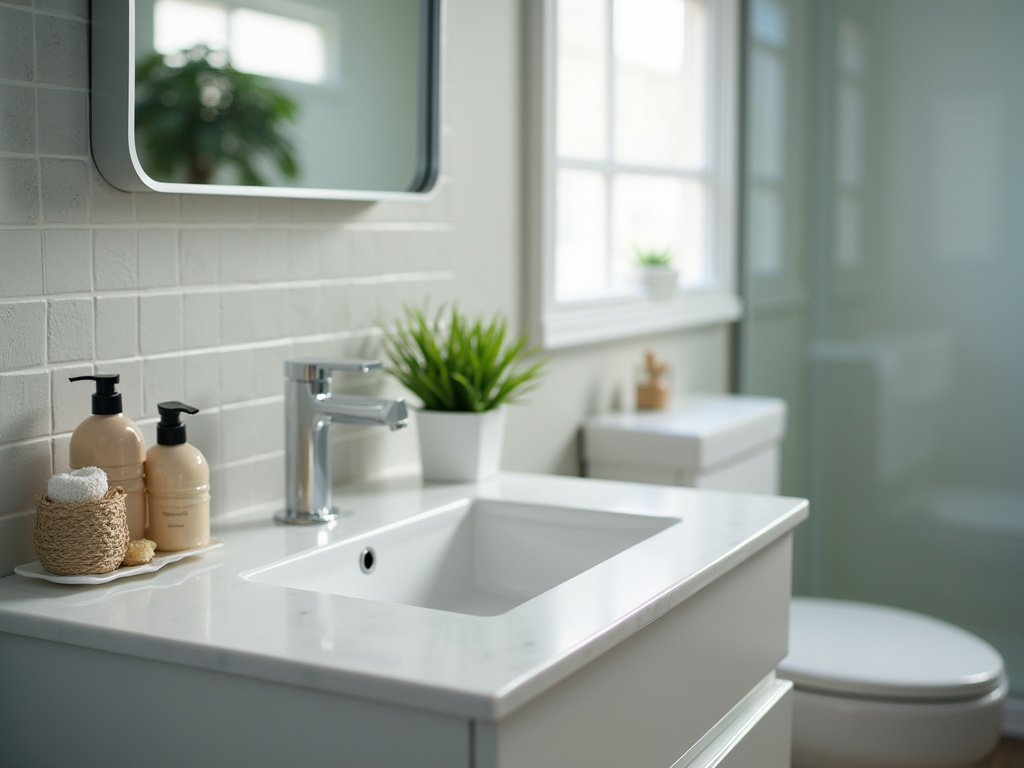
Bathroom Remodel in Austin: Where to Start
Looking for bathroom remodel in Austin, TX? Golden State Builders bathroom remodel austin serves the local area and can answer questions specific to Austin.
Planning Your Remodel: Setting Goals and Budget
Planning a remodel involves careful consideration of your goals, budget, and the scope of work involved. "Remodel" means transforming an existing space to serve new purposes or aesthetic desires—it’s not just about updating, but creating something different. To make informed decisions, start by identifying what type of remodel adds the most value for your needs and lifestyle. Kitchens and bathrooms are popular choices due to their significant impact on home comfort and resale value, but consider other spaces like adding a bonus room or remodeling to create an open-concept layout.
In Austin, where the housing market is competitive, strategic planning can save you both time and money. When tackling a kitchen remodel, for example, it’s wise to prioritize the order of renovation. Typically, this involves starting with plumbing and electrical work, followed by cabinet installation, countertops, and finally appliances and finishes. This sequence allows for efficient workflow and minimizes disruption. Keep local factors in mind; Austin’s unique climate requires considerations like adequate ventilation during renovations and choosing materials suitable for humidity.
Budgeting is a crucial aspect of any remodel. To avoid financial surprises, how much does a remodel cost in Austin? varies widely depending on the project size and scope. According to recent data, average kitchen remodels range from $25,000 to $40,000, while bathroom remodels typically fall between $10,000 and $20,000. It’s important to factor in unexpected expenses and consider alternatives to traditional remodeling like a partial renovation or strategic updates. For instance, instead of replacing cabinets entirely, refacing them can be a more cost-effective option.
Remodeling takes time—in Austin, projects often span 1-3 months depending on complexity. Problems to avoid include underestimating project duration, exceeding budget, and poor communication with contractors. To ensure a smooth process, engage reputable professionals, establish clear timelines, and regularly inspect work in progress. By carefully planning, prioritizing, and understanding local dynamics, you can successfully navigate the remodel process, creating a space that truly reflects your style and enhances your Austin home’s value.
Execution Strategies: From Design to Completion
Remodeling, or "remodel" as it’s often abbreviated, is a transformative process that involves altering or updating an existing structure. In Austin, where the real estate market is vibrant and competitive, it’s a strategy many homeowners employ to enhance their living spaces and increase property value. When executing a remodel, strategic planning and a systematic approach are crucial to ensure a successful outcome.
One of the most valuable aspects to consider is the type of remodel that aligns with your needs and budget. Kitchens, for instance, are a popular choice due to their central role in home life and their significant impact on property value. However, the order in which you tackle a kitchen remodel is essential. Typically, it begins with design, where architectural plans and material selections are made, followed by demolition, and finally, construction and installation. This step-by-step process ensures a seamless transition from old to new.
Navigating potential problems is another key strategy. Austin’s unique local factors, such as climate and building codes, can impact your remodel. It’s vital to research and adhere to local regulations to avoid costly delays. Additionally, understanding the cost dynamics is critical. According to recent data, the average cost of a kitchen remodel in Austin ranges from $15,000 to $40,000, depending on the scope and quality of materials. Timely project management can also reduce costs, as prompt completion means less labor and material wastage. While a remodel can take anywhere from a few weeks to several months, efficient planning can condense this timeline, ensuring your home transformation is a swift and rewarding process.

| Factor | What to know |
|---|---|
| Kitchen remodel cost | $15,000–$40,000 depending on scope and materials |
| Project duration | Often 1–3 months depending on complexity |
| Renovation order | Start with plumbing/electrical, then cabinets, countertops, finishes |
| Value boost | Kitchen remodel can raise property value up to 80% |
| Common pitfalls | Underestimating time, exceeding budget, poor contractor communication |
Post-Remodel: Maintenance and Enjoying Your Space
Post-remodel maintenance is an essential aspect of ensuring your space not only remains aesthetically pleasing but also retains its value and functionality. Once the excitement of a remodel fades, establishing a routine maintenance schedule becomes critical. Regular cleaning and spot treatment can prevent minor issues from becoming major problems. For instance, promptly addressing any water leaks in your newly renovated kitchen can save you from costly mold remediation later.
When it comes to prioritizing your remodel, the kitchen often tops the list for adding the most value to your home. According to recent studies, a well-executed kitchen remodel can increase your property’s value by up to 80% in some markets, such as Austin. However, the order in which you tackle different aspects of the remodel is crucial. Starting with the plumbing and electrical systems ensures a solid foundation for the rest of the project. This strategic approach minimizes disruptions and allows for a smoother overall renovation process.
"Remodel" encompasses a broad spectrum of changes, from cosmetic updates to complete overhauls. In Austin, local factors like climate and cultural preferences influence the type and scope of remodels. For example, homeowners might opt for energy-efficient updates to better withstand the city’s hot summers. Understanding these dynamics can guide you in making informed decisions tailored to your specific needs and the local market.
Budgeting is another critical aspect of remodeling. In Austin, costs can vary widely, averaging between $50,000 to $150,000 for a mid-range kitchen remodel. High-end renovations can easily surpass $200,000. It’s essential to factor in unexpected expenses and consider the return on investment. Consulting with local professionals can provide valuable insights into the latest trends, cost-saving measures, and potential problem areas to avoid.
The timeline for a remodel in Austin typically ranges from one to three months, depending on the complexity. Efficient project management and clear communication with your contractors can help expedite the process. Remember, a well-planned and executed remodel not only transforms your living space but also enhances your overall quality of life, providing a sanctuary that you can enjoy for years to come.
Frequently Asked Questions About Remodel
What is a remodel?
A remodel, short for renovation, involves transforming an existing space or structure by altering its layout, aesthetics, or functionality. It can range from minor updates like painting and replacing fixtures to complete overhauls that change the room’s purpose or design.
Why would someone consider remodeling their home?
Homeowners may choose to remodel for various reasons, including improving aesthetics, increasing property value, accommodating changing lifestyles (e.g., adding a home office), enhancing energy efficiency, or adapting to accessibility needs.
How do I start planning a remodel?
Begin by defining your goals and budget. Create a detailed plan outlining the changes you want, research design ideas, and consult with professionals like architects or designers for expert advice. Obtain necessary permits and create a timeline before starting any work.
What are some common remodeling mistakes to avoid?
Overlooking necessary permits, exceeding your budget, failing to consider structural issues, poor planning leading to delays, inadequate communication with contractors, and not accounting for unforeseen challenges (like hidden damage) can all result in costly mistakes.
How much does a remodel typically cost?
Remodeling costs vary widely depending on the project’s scope and complexity. On average, minor renovations like kitchen updates or bathroom remodels can range from $10,000 to $30,000. Major projects, such as adding rooms or extensive structural changes, can easily exceed $50,000.
Who should I hire for my remodel project?
For smaller, specialized jobs, consider hiring licensed tradespeople like electricians or plumbers. For larger, complex projects, partner with a reputable general contractor who can manage various aspects of the work and ensure seamless coordination. Referrals from friends, family, or professional organizations are often reliable sources.
A successful remodel transcends mere physical changes; it’s a journey of transformation and enhancement. By strategically planning with set goals and a realistic budget, you lay the foundation for a project that meets your needs and exceeds expectations. During execution, thoughtful design and meticulous attention to detail ensure a seamless transition from concept to completion. Post-remodel, proactive maintenance safeguards your investment while allowing you to fully appreciate and enjoy your newly transformed space. This article has provided a comprehensive roadmap for navigating the remodel process, empowering readers with the knowledge to embark on their own journeys with confidence and authority.
Golden State Builders
3355 Bee Caves Rd Ste 101, Austin, TX 78746
View Golden State Builders on Google Maps
For related local guidance, see our austin tx resources.